How Often Should Fire Extinguishers Be Tested?
[4 min read]
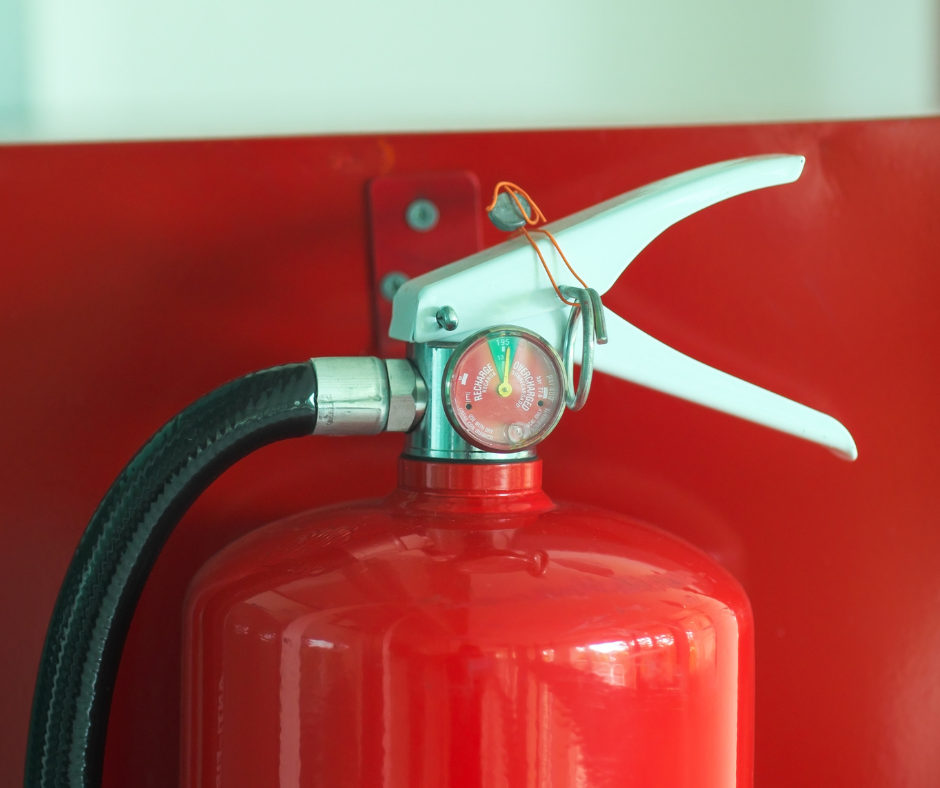
Fire extinguishers are often the first line of defense during the earliest moments of a fire. When they fail, the window to control a small incident closes fast. That is why understanding how often fire extinguishers should be tested is not optional for employers, facility managers, or property owners. Regular inspections protect lives, limit property damage, and ensure compliance with workplace safety regulations.
At a minimum, fire extinguishers require frequent visual checks, documented monthly inspections, and formal annual service by trained professionals. Additional internal testing can also occur at longer intervals, depending on the type of extinguisher. These requirements exist to ensure extinguishers operate as intended when seconds matter most.
How Often Do Fire Extinguishers Need to Be Inspected?
Fire extinguishers are inspected multiple times throughout the year. Most standards require a monthly visual inspection to confirm that extinguishers are accessible, fully charged, and free of visible damage. This aligns with Occupational Safety and Health Administration (OSHA) expectations that extinguishers remain in operable condition at all times.
In addition to monthly checks, a yearly fire extinguisher inspection must be performed by a licensed professional. During this inspection, technicians verify pressure levels, examine mechanical components, and confirm compliance with applicable codes and regulations.
Testing Fire Extinguishers Goes Beyond Visual Inspections
To avoid further compliance issues, you’ll also want to know how often fire extinguishers should be tested. These in-depth internal examinations occur less frequently and ensure the extinguisher’s internal components remain structurally sound.
Most extinguishers undergo a six-year internal examination, which includes disassembling and inspecting internal parts. At the 12-year mark, extinguishers require hydrostatic testing to confirm the cylinder can safely hold pressure. These long-term testing requirements help prevent hidden failures that visual inspections cannot detect.
The frequency of fire extinguisher inspections depends on whether the inspection is visual, annual, or part of a scheduled internal test cycle.
What About ABC Fire Extinguishers?
Multipurpose ABC extinguishers are the most common type found in commercial and institutional buildings. They extinguish fire types of Class A (common combustibles), Class B (flammable liquid and gas), and Class C (energized electrical equipment). These units still require monthly visual checks, annual professional inspections, and scheduled internal testing. Inspections involve the same layered approach — frequent observation paired with formal servicing at defined intervals.
Additionally, environmental factors such as humidity, vibration, or corrosive conditions can reduce service life. In these environments, more frequent inspections may be necessary to maintain reliability.
Fire Extinguisher Inspection Requirements and OSHA Alignment
Clear fire extinguisher inspection requirements exist at the federal and local levels. OSHA requires employers to maintain extinguishers in a fully charged and operable condition, with monthly visual inspections and annual maintenance performed by qualified personnel.
While OSHA sets baseline expectations, many jurisdictions adopt National Fire Protection Association (NFPA) standards that expand on testing and documentation requirements. Following these stringent applicable standards might seem tedious, but it helps organizations avoid compliance gaps that could otherwise result in expensive fines.
Documentation Is a Compliance Requirement
Inspections and tests must be documented. Tags, logs, and digital records demonstrate compliance during audits, insurance reviews, and regulatory inspections. Missing or incomplete records can trigger citations, even when extinguishers appear to be functional.
Documentation should clearly indicate the inspection date, the inspector’s name, the condition of the extinguisher, and any corrective actions taken. These records provide evidence that inspections were conducted on schedule and that deficiencies were addressed in a timely manner.
A structured inspection program ensures deficiencies are corrected quickly and records remain accurate over time. This reduces administrative burden, shortens audit timelines, and strengthens overall safety management across facilities. It also gives you a stronger position with insurance claims.
Training and Accessibility Matter
Inspection and testing are important, but they also don’t matter if extinguishers are inaccessible because they are difficult to reach, blocked, or improperly mounted. Fire extinguishers must remain visible, accessible, and mounted at the correct height to meet code requirements. Monthly inspections often reveal issues such as blocked access, missing signage, or pressure loss caused by environmental exposure.
Employee awareness also plays a role, and team members must be familiar with operating extinguishers. While only trained personnel should fight a fire, basic awareness of extinguisher locations and how to use them supports safer evacuation and faster response in the earliest moments of an incident.
Improve Your Fire Suppression System Inspection Processes
Fire extinguishers play a critical role in early fire response, but only when they are properly maintained and accessible. Having inspection and testing schedules in place removes uncertainty and ensures compliance throughout the year.
National Fire & Safety provides disciplined inspection programs, professional servicing, and clear documentation, all through a single, reliable provider. If you’d like to confirm your extinguisher inspection or ensure compliance, let’s discuss. Reach out to us to request your free quote and ensure your fire extinguishers are all in order.