
Annual vs. 5-Year Sprinkler Inspection
[5 min read]
Fire sprinkler systems are among the most effective tools for suppressing fires and limiting loss, but their reliability heavily depends on regular, professional inspection. Annual and five-year inspections serve very different purposes, but both are crucial. Together, these inspections form part of a layered maintenance strategy designed to detect issues before they compromise life safety.
How Often Must Sprinkler Systems Be Inspected?
Sprinkler systems are not inspected on a single schedule. Instead, inspections occur at multiple intervals based on National Fire Protection Association (NFPA) standards, local codes, and system configuration. In most commercial and institutional settings, systems undergo monthly visual checks, quarterly component inspections, and formal annual and five-year evaluations.
An annual fire sprinkler inspection is required to confirm the system remains in serviceable condition and capable of responding to a fire event. More thorough testing is beneficial every five years to verify the condition of internal piping and hydraulic performance.
What an Annual Sprinkler Inspection Covers
An annual sprinkler inspection focuses on visible components, system controls, and overall readiness. Inspectors verify that the system has not been altered, obstructed, or damaged, and that it complies with applicable codes.
A yearly inspection typically requires:
- Visual inspection of sprinkler heads for damage, corrosion, or obstruction.
- Verification that control valves are open, labeled, and accessible.
- Inspection of gauges, hangers, and piping supports.
- Testing of alarm devices and water flow indicators.
- Review of inspection tags and maintenance records.
These annual fire sprinkler inspection requirements are intended to detect issues caused by daily operations, renovations, or environmental conditions. Even minor changes, such as stacked storage or painted sprinkler heads, can reduce system effectiveness if left unaddressed. Annual inspections provide an opportunity to correct such issues before an emergency.
Why Annual Inspections Matter for Compliance
Annual inspections play a key role in regulatory compliance and liability management. Authorities and insurance carriers often request proof of annual inspections during audits or after incidents. Missing documentation or unresolved deficiencies can lead to citations, higher premiums, or denied claims.
Beyond compliance, annual inspections support operational continuity. Facilities gain early visibility into wear, damage, or unauthorized modifications, so repairs can be scheduled proactively rather than finding out too late.
What Makes a 5-Year Fire Sprinkler Inspection Different
A five-year fire sprinkler inspection evaluates internal system performance and water-delivery capability to address risks that cannot be identified from the outside. These inspections are critical in systems exposed to corrosion, debris, or changes in water supply.
A key component of the five-year inspection cycle is the five-year flow test. This test measures water flow through the system to confirm it meets design and code requirements. Inspectors open specific valves to evaluate water delivery, pressure, and discharge conditions. The test identifies internal obstructions, tuberculation, or valve issues that could limit suppression capability during a fire.
Because these tests can impact building operations, they require careful planning and coordination. However, the insight gained from a five-year inspection is essential for long-term system reliability.
Annual vs. 5-Year Sprinkler Inspection: Key Differences
Annual and five-year sprinkler inspections differ in depth, disruption, and purpose.
| Annual Inspection | Five-Year Inspection |
|---|---|
| Annual inspections are less invasive and typically completed with minimal disruption to building operations. They are often completed during business hours. They confirm valves are positioned correctly, alarms function properly, and sprinkler components remain unobstructed. Annual inspections focus on confirming system readiness and visible compliance. | Five-year inspections are more involved and take longer due to possible system shutdowns, water discharge testing, and coordination with local authorities or fire watches. Systems may need to be partially drained or flowed, and inspectors often examine internal piping conditions and water delivery capacity. These inspections require advance coordination but provide critical insight into issues that cannot be identified during routine checks. Five-year inspections evaluate internal performance and long-term reliability. |
Both inspections are required. Skipping either creates blind spots that increase risk, liability, and the likelihood of system failure during an emergency. Therefore, it is important that you rely on an experienced professional for your inspections. Professional inspection teams will make this process easier through clear communication and assurance of quality service, keeping your facility protected and compliant.
Why Skipping Inspections Creates Risk
Deferred inspections allow hidden problems to develop over time. Corrosion, debris buildup, and impaired valves often progress slowly and remain undetected without deeper testing.
Five-year inspections may uncover internal pipe conditions that restrict water flow or reduce pressure, especially in older systems or facilities with variable water quality. Without these inspections, system performance issues may only surface during a fire event.
Plus, regular inspections demonstrate due diligence, support defensible compliance, and reduce exposure to enforcement actions. They also protect capital investments by extending system life and reducing the likelihood of costly emergency repairs.
How Inspection Findings Influence Long-Term System Performance
Beyond meeting code requirements, the outcomes of both annual and five-year inspections directly affect how reliably a sprinkler system will perform during a real fire:
- Annual inspections: Yearly inspections reveal visible issues that can be corrected quickly, such as closed control valves, damaged sprinkler heads, or impaired alarms. Addressing these findings helps maintain system readiness and reduces the likelihood of unexpected failures.
- Five-year inspections: These inspections provide insight into hidden conditions that develop slowly and are rarely apparent during routine checks. Identifying these issues allows facility owners to plan repairs or pipe replacements in phases, rather than reacting to emergency impairments after a failed test.
This layered approach supports better budgeting, reduces operational disruptions, and delivers stronger long-term fire protection outcomes. In a nutshell, annual inspections confirm that the system is functional today, while five-year testing verifies that it will continue to perform as designed when it matters most.
Feel Confident in Your Annual or 5-Year Inspections
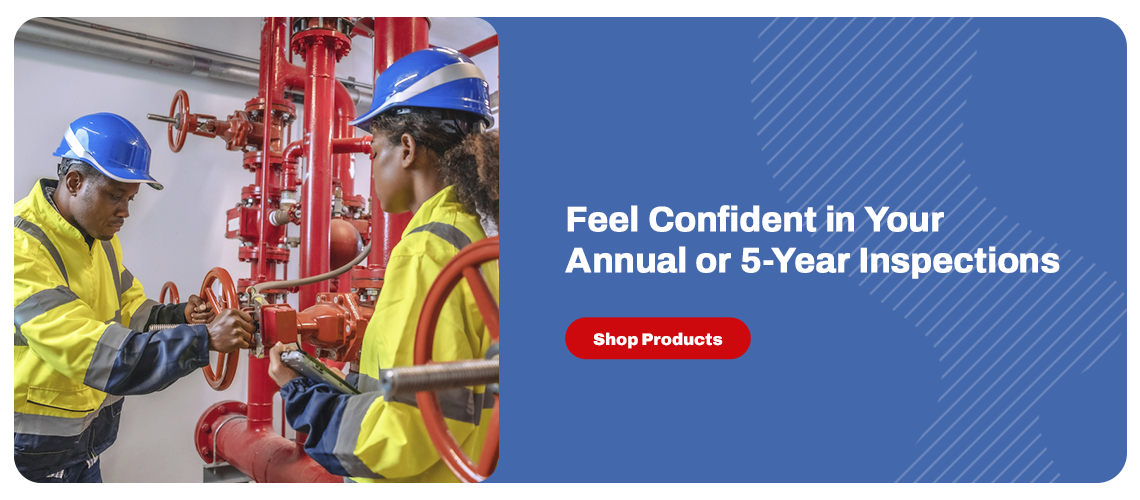
Fire sprinkler inspections form part of a disciplined approach to life safety, asset protection, and regulatory compliance.
National Fire & Safety delivers comprehensive and professional sprinkler inspection services backed by technical proficiency and clear documentation for reliability, compliance, and peace of mind. If you’re interested in an annual or five-year sprinkler inspection, we’re happy to help. Simply request your free quote to get started.