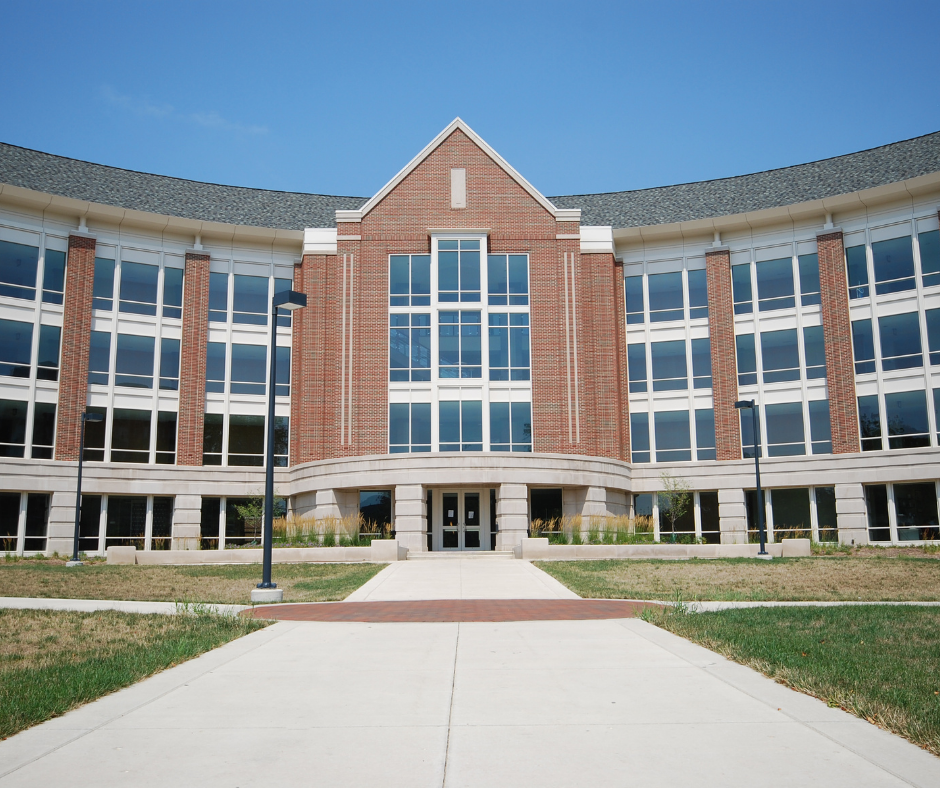
Fire Safety Essentials Every College and University Campus Should Know
Fire safety is a critical part of campus life, yet it is often overlooked until an incident occurs. Imagine a student in a residence hall who accidentally leaves a crockpot on overnight. Smoke begins to fill the kitchen, alarms sound, and the building must be evacuated immediately. Thanks to proper planning, preparation, and training, the situation is contained without injuries or property loss. This scenario highlights why fire safety must be embedded into every aspect of campus operations, from dormitories and laboratories to lecture halls and recreational spaces. A campus that prioritizes safety can prevent small mistakes from turning into major emergencies.
Understanding Campus Fire Safety
College and university campuses are complex environments. They combine residential areas, classrooms, research laboratories, recreational facilities, and dining halls. Students, faculty, and staff frequently move between these areas, creating a dynamic and sometimes unpredictable environment. Large gatherings in lecture halls, auditoriums, or student centers increase the potential for accidents. The variety of building types, ages, and layouts makes comprehensive planning essential. Fires can escalate rapidly if safety systems, evacuation plans, and communication protocols are not clearly established, maintained, and understood by the entire community. Beyond regulatory compliance, these measures protect lives, reduce the risk of property damage, and foster a culture of safety that benefits everyone on campus.
Building a Strong Foundation for Safety
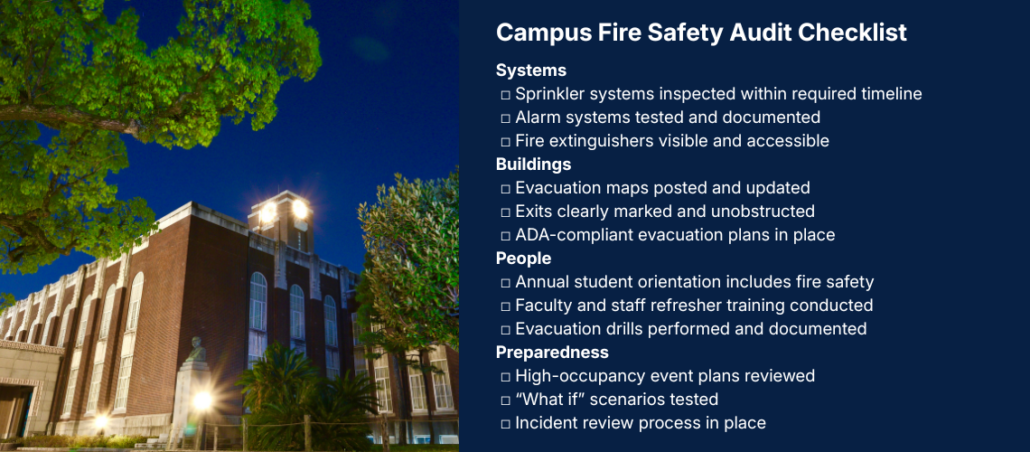
A comprehensive fire safety program begins with functioning detection and suppression systems. Smoke alarms, fire sprinklers, and fire extinguishers are essential tools, but they only provide protection when properly maintained and tested. Scheduling regular inspections and maintenance checks ensures that these systems perform reliably when needed. Clear and accessible evacuation routes are equally important. Maps and signage should be posted in every building, and all members of the campus community should be familiar with exit locations. Accessibility for students and staff with disabilities must be considered in every building plan.
Education and awareness are vital. Every student, faculty member, and staff employee should know how to respond to alarms, locate emergency equipment, and report hazards promptly. Orientation sessions for new students, ongoing workshops for faculty, and training for resident advisors help reinforce safety procedures. This knowledge ensures that in the event of an emergency, people act confidently and calmly, reducing risk and preventing chaos.
Drills and Practice for Real-World Scenarios
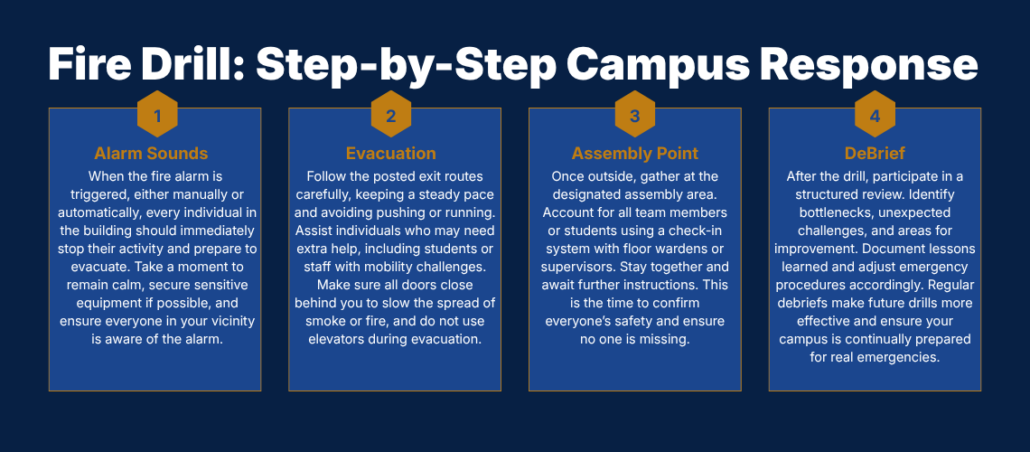
Evacuation drills are more than a compliance requirement. They prepare the campus community to respond quickly and safely during emergencies. By conducting drills in different types of buildings and at varying times of day, campuses can simulate realistic scenarios, such as a fire in a high-occupancy lecture hall or a blocked exit during a crowded event. Drills help identify potential bottlenecks, reveal weaknesses in current procedures, and provide opportunities to improve emergency response plans. Regularly reviewing drill outcomes and sharing lessons learned with students and staff reinforces the importance of safety and encourages proactive participation.
Daily practices also play a critical role in preventing fires. Students should never leave cooking appliances unattended, ensure that electrical outlets are not overloaded, and store flammable materials safely. Faculty and staff should maintain clear access to exits, monitor equipment in laboratories, and model safe behavior in classrooms and offices. Encouraging everyone to report potential hazards promptly allows the campus to address small issues before they become serious risks.
Anticipating Challenges and Planning Ahead
Even the most thorough fire safety program can encounter unexpected challenges. Campuses should consider “what if” scenarios and plan accordingly. What if a fire alarm goes off during a large campus event, such as a concert or graduation ceremony? How would students with mobility challenges evacuate quickly and safely? What if a sprinkler system malfunctions or a fire extinguisher is out of service? Incorporating these scenarios into drills and training ensures that every individual knows their role and that campus leaders can respond efficiently. Proactive thinking and detailed planning reduce uncertainty and ensure a higher level of preparedness.
Fostering a Safety-Oriented Culture
Safety is most effective when it becomes a shared value across the campus. Students, faculty, and staff all have a role to play in fostering a culture of fire safety. By participating in drills, attending workshops, and maintaining vigilance in everyday activities, members of the campus community reinforce safe behaviors. Leadership at all levels, from department heads to resident advisors, should model these behaviors and encourage accountability. Recognition programs that highlight individuals or groups who demonstrate commitment to safety can motivate others to follow suit, creating a campus culture where fire safety is prioritized every day.
Fire safety begins with awareness, preparation, and consistent practices. Every student, faculty member, and staff member contributes to a safer environment by understanding protocols, following guidelines, and remaining vigilant. Implementing these core safety essentials lays the foundation for a secure, resilient, and responsible campus community. A campus that takes proactive steps to educate, prepare, and engage its community in fire safety protects not only lives but also property and the overall learning environment.
Contact National Fire & Safety to ensure your campus has the essential fire safety measures in place.