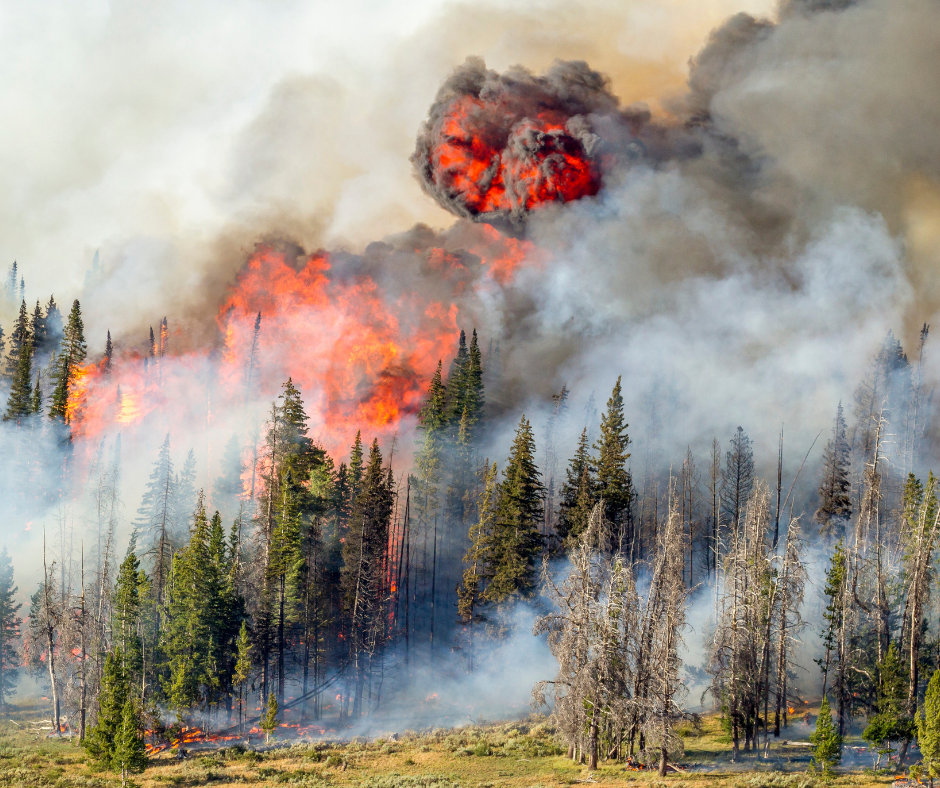
Fire Safety Preparedness for Facilities During Wildfires and Summer Storms
Natural disasters like wildfires and severe summer storms pose real threats to facilities. While these events are beyond our control, facility managers can take proactive steps to protect buildings, equipment, and occupants. National Fire & Safety helps facilities stay always on watch, ensuring fire safety systems and staff readiness are never compromised.
Assess Fire Risks in Your Facility
The first step in protecting a facility is understanding its unique fire risks. Wildfires, electrical failures, and storm-related hazards can quickly escalate into emergencies. Facility managers should identify high-risk areas such as storage rooms, utility closets, electrical panels, and areas near landscaping that could fuel fires.
National Fire & Safety can perform comprehensive fire risk assessments to pinpoint vulnerabilities. These evaluations consider building design, occupancy type, and local environmental risks. By understanding your facility’s fire exposure, you can prioritize mitigation efforts and ensure your safety sstaystems are effective.
Maintain and Upgrade Fire Protection Systems
Properly functioning fire alarms, sprinklers, and suppression systems are essential, particularly when natural disasters increase the risk of fire. Regular inspection and maintenance of sprinkler systems, smoke alarms, and fire extinguishers help ensure they operate effectively when needed. In sensitive areas such as data centers or hospitals, clean agent or inert gas suppression systems can protect critical equipment without causing damage.
Routine inspections ensure these systems operate correctly, even during power outages or storm conditions. Facility managers who rely on NFS can be confident that their systems remain always on watch.
Develop an Emergency Response Plan
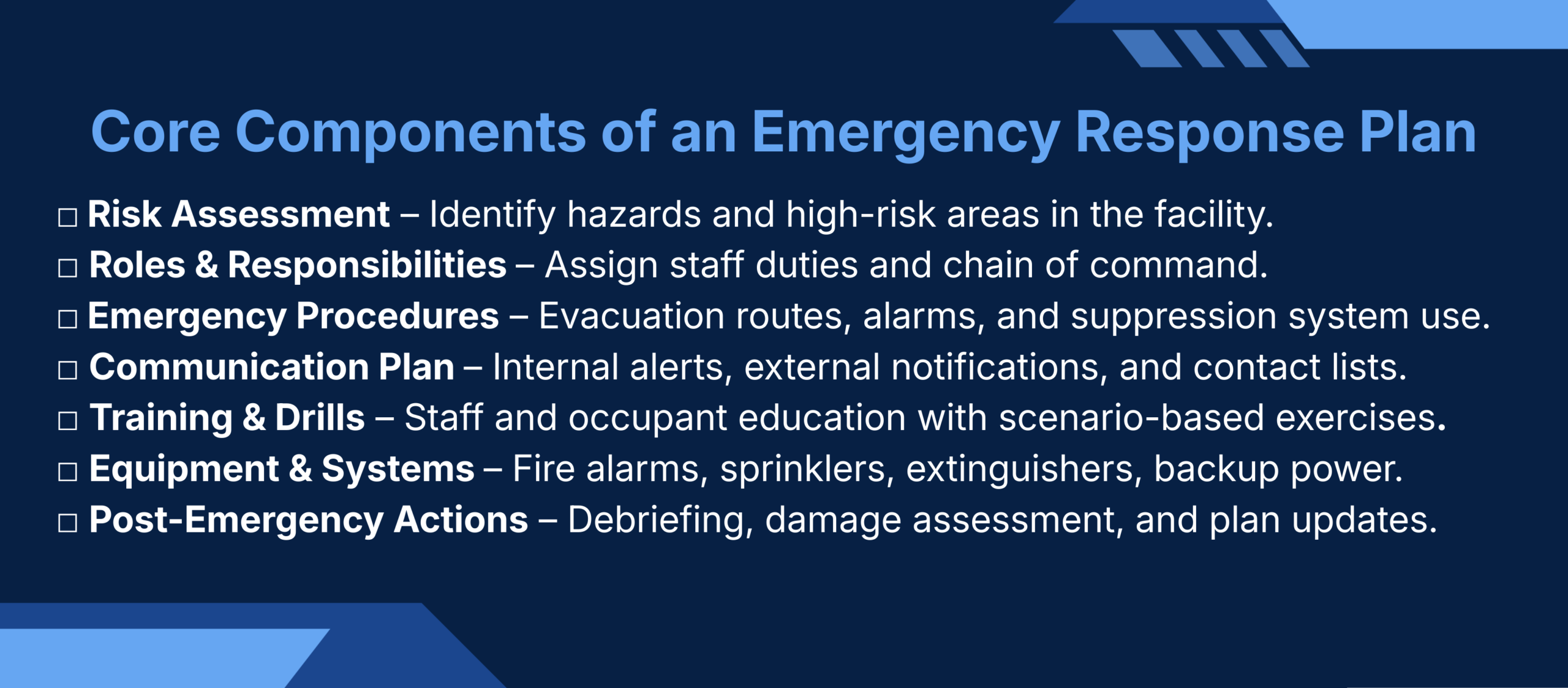
A well-structured emergency response plan is essential. National Fire & Safety helps facilities create plans tailored to their specific needs. Hospitals, for example, require detailed patient transport procedures, while airports must prioritize passenger safety and operational continuity. Facilities receive guidance on evacuation routes, assembly points, communication protocols, and staff responsibilities. Regular drills and scenario-based training help staff understand their roles and respond quickly during emergencies. Having a plan in place reduces confusion, minimizes damage, and keeps everyone safe.
Train Staff and Occupants
Staff knowledge is just as important as the equipment itself. Providing regular training for employees and occupants ensures they understand how to activate fire alarms and suppression systems, use fire extinguishers effectively, and evacuate safely during emergencies. Consistent training builds confidence and preparedness, helping reduce the risk of injury or property loss when a disaster occurs.
Monitor and Stay Ready
Beyond inspections and training, facilities benefit from ongoing monitoring and expert guidance to identify potential fire hazards caused by environmental changes. Staying up to date with local and NFPA regulations and implementing recommended system upgrades or improvements as risks evolve helps maintain readiness. Maintaining vigilance ensures that your facility is prepared for wildfires, storms, or other emergencies.
Stay Informed
Facility managers should continuously monitor local conditions and industry updates to stay ahead of potential hazards. Subscribing to real-time alerts from the National Weather Service, local emergency management agencies, and wildfire watch systems ensures you receive timely warnings about storms or fire risks in your area. Staying current with NFPA codes and regulations helps maintain compliance and improve overall fire safety.
National Fire & Safety provides ongoing guidance on changes to safety standards, helping facilities adapt their emergency plans and systems accordingly. Regularly reviewing reports, attending webinars, and participating in regional preparedness forums can also keep your team knowledgeable and ready.
Understanding risk also involves monitoring real-time alerts. Tools like National Weather Service notifications, wildfire watch systems, and regional emergency alerts allow facility managers to act quickly. Being proactive ensures facilities are always on watch and ready for potential disasters.
| State | Agency |
| Arizona | Arizona Department of Emergency and Military Affairs |
| Colorado | Colorado Division of Homeland Security and Emergency Management |
| Texas | Texas Division of Emergency Management |
| Utah | Utah Department of Emergency Management |
Protecting your facility from fire risks during natural disasters starts with expert guidance. Contact National Fire & Safety to schedule a fire risk assessment, system inspection, or staff training session. Safeguard your employees, occupants, and property, and ensure your facility stays always on watch.