How Often Do You Need a Professional Fire Inspection?
Professional fire inspections are a critical safeguard for people, property, and operations. These inspections help confirm that fire protection systems work as intended, hazards are identified early, and compliance obligations are met before they become liabilities. They ensure regulatory compliance, reduce operational risk, and provide documented proof of due diligence. For organizations responsible for life safety, understanding how often you need a professional fire inspection is incredibly important.
Inspection Frequency Depends on Codes and Risk
Fire inspections are intended to verify that systems align with relevant codes, manufacturer requirements, and site-specific risks. However, fire alarm systems, sprinkler systems, extinguishers, and other life-safety equipment follow different inspection schedules. How often a fire inspection is required depends on the following factors:
- Building occupancy
- System complexity
- Jurisdictional requirements
- Applicable National Fire Protection Association (NFPA) standards
Along with comprehensive annual inspections and testing, NFPA standards commonly require quarterly inspections for high-risk or mission-critical components, such as supervisory devices and alarms. These schedules are designed to catch degradation early and confirm systems remain operational throughout the year.
What a Professional Fire Inspection Covers
A professional fire inspection goes beyond a visual walk-through. Inspectors evaluate system condition, functionality, and documentation across multiple fire and life-safety elements, ensuring systems perform as intended and align with current codes. This process also helps identify wear, environmental impacts, and undocumented changes that may affect compliance.
Inspections should review both active and passive fire protection measures, confirming they work together to support safe evacuation and early response. This often includes:
- Fire alarm control panels, notification devices, and supervisory signals.
- Sprinkler systems, valves, gauges, and water supplies.
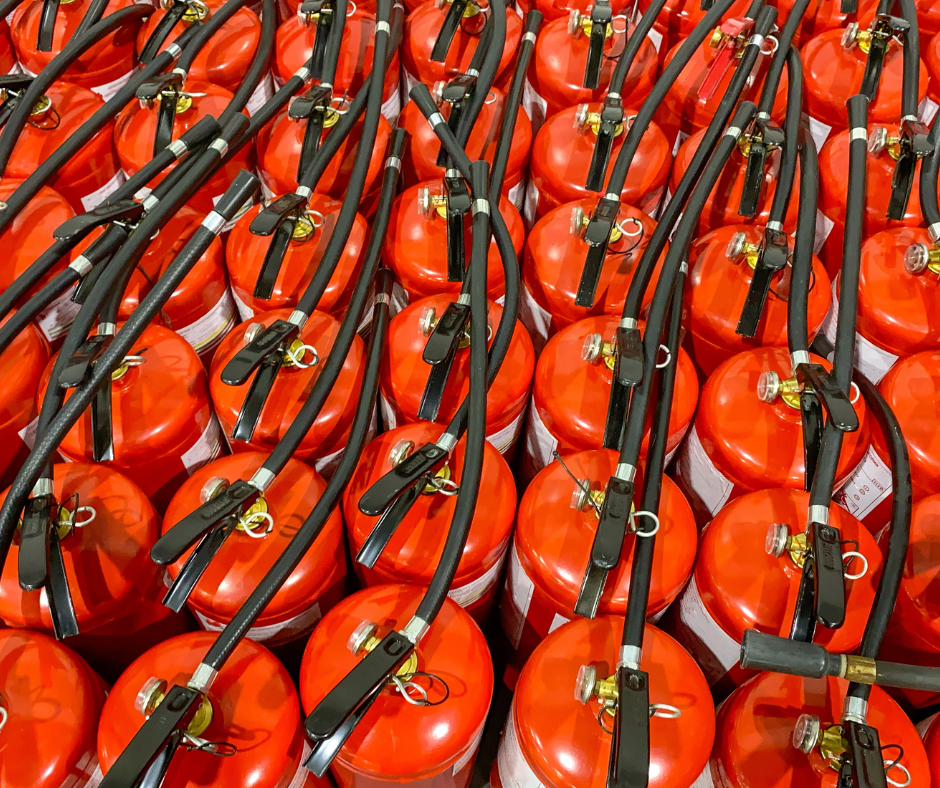
- Fire extinguishers, including inspection tags, pressure levels, and placement.
- Emergency lighting, exit signage, and clear egress pathways.
- Records, inspection logs, and corrective action history.
When testing fire alarm systems, you’ll want to verify that detection, notification, and monitoring functions remain reliable. Failing to meet these requirements can increase risk and result in citations or fines.
OSHA, NFPA, and Inspection Expectations
The Occupational Safety and Health Administration (OSHA) requires employers to ensure fire extinguishers remain operable, which involves regular inspections and documentation. Monthly visual checks and annual professional servicing are also standard expectations under OSHA-aligned programs, helping ensure extinguishers are available and functional when needed.
NFPA standards expand on these requirements by outlining inspection, testing, and maintenance schedules for alarms, sprinklers, and suppression systems. Quarterly inspections are required for certain components, while full-system inspections and testing occur annually or at defined intervals, depending on system type. To know the exact inspection frequencies for your organization, the best place to start is to speak with a professional.
While it might seem tedious, following the most stringent applicable standards helps organizations maintain compliance, avoid enforcement gaps, and demonstrate due diligence during audits.
Why Inspections Are Important Beyond Compliance
Small deficiencies, such as a blocked valve, disabled alarm, or expired extinguisher, can compromise response times during an emergency. The main purpose of inspections is to identify those small deficiencies before they escalate into system failures, business interruptions, or safety incidents.
Regular inspections also protect organizations financially. Insurers often require proof of inspections, and failure to provide documentation can affect claims or premiums. For owners, inspections preserve asset value and demonstrate responsible stewardship. Plus, from an operational standpoint, they reduce uncertainty.
How Long Fire Inspections Typically Take
Fire inspections vary in length based on building size, system complexity, and the number of fire protection features. Smaller facilities with limited systems may only require a few hours, while larger or multisystem properties may require a full day or more.
Inspection duration is also influenced by documentation quality and system condition. Well-maintained systems with clear records typically lead to faster inspections, while properties with deferred maintenance or missing documentation may require additional review. Frequent inspections catch problems early, so you can reduce potential downtime.
Working with a professional provider is essential — the professionalism, skill, and competence minimize operational impact. Coordinated scheduling, clear communication, and phased inspections help inspections proceed efficiently without compromising safety.
Fire Inspections Made Easy With National Fire & Safety
Professional fire inspections are a proactive tool for protecting lives, limiting liability, and maintaining operational continuity. Ensuring they are performed by certified professionals provides clarity and peace of mind in a high-stakes responsibility.
Regular inspections also support better long-term planning for upcoming maintenance needs, capital improvements, and compliance deadlines, allowing resources to be allocated strategically instead of reactively.
National Fire & Safety delivers disciplined, compliance-driven fire inspections backed by technical proficiency and clear documentation. When a single, trusted provider manages inspections, follow-ups, and emergency response, organizations gain confidence in their fire protection strategy.
To confirm your inspection schedule, request your free quote today. We’ll help protect your people, property, and peace of mind.