How Often Should Fire Alarms Be Tested?
Fire alarm systems serve as early-warning devices that alert occupants to danger, aiding in safe evacuation. To ensure they will function as intended when needed, they must undergo regular testing. These tests help detect issues and keep equipment operational in case of an emergency. Knowing how often fire alarms should be tested is essential for compliance, liability reduction, and life-safety protection.
Why Regular Fire Alarm Testing Matters
Fire alarms do not suppress fires, but they do provide early warning and notification, giving occupants time to evacuate and first responders time to act. They are highly valuable, and missed tests increase the risk of delayed alerts, system malfunctions, and noncompliance.
Consistent testing supports safer facilities, limits liability, and ensures systems will perform when needed. Documentation from inspections also protects property owners during insurance reviews and regulatory audits.
Fire Alarm Testing Frequency
There’s no exact frequency for how often a company should test its fire alarm. It depends on system type and occupancy. However, annual professional testing is a baseline requirement in nearly all regulated facilities. Additional checks may be required monthly or quarterly for specific components.
In commercial environments, fire alarms are tested at multiple intervals throughout the year. In fact, most businesses are required to conduct periodic testing and maintain detailed documentation to demonstrate compliance. When combined, these visual checks, functional testing, and annual inspections help ensure system reliability.
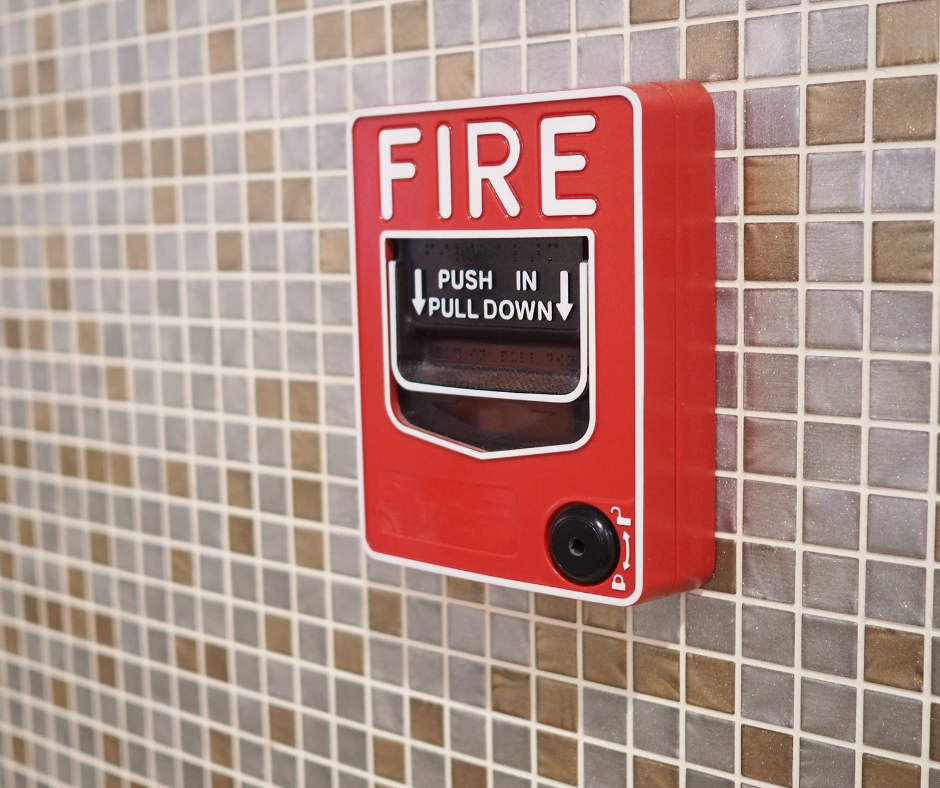
Devices such as pull stations, notification appliances, and control panels must be checked regularly, with formal inspections performed annually by qualified professionals.
Smoke Alarm Testing and Routine Checks
Smoke alarms also play a critical role in early detection, particularly in residential and mixed-use properties. In general, you should test your smoke alarms monthly by pressing the test button to confirm they are working. Replace the batteries as needed and the entire unit according to the manufacturer’s guidance, often every 10 years.
Regular testing helps identify dead batteries or sensor failures that can reduce effectiveness. It’s important to note, however, that these routine checks complement, but do not replace, professional system testing required in commercial settings.
Understanding NFPA 72 Fire Alarm Testing Requirements
The National Fire Protection Association (NFPA) provides guidance for fire alarm design, installation, maintenance, and testing. Under NFPA 72, fire alarm components typically require annual testing by a qualified fire protection company. Certain devices, such as batteries and supervisory signals, may require more frequent checks.
These standards are widely adopted by local authorities and referenced by the Occupational Safety and Health Administration (OSHA). Meeting NFPA 72 requirements helps ensure systems remain compliant and defensible during inspections, audits, or post-incident investigations. For example, employers who neglect testing may face citations if systems fail during an inspection or an emergency.
Professional Fire Alarm Testing for Peace of Mind
Fire alarm testing is a critical part of protecting people and property. National Fire & Safety provides comprehensive fire alarm testing, inspection, and documentation services aligned with NFPA standards and local code requirements. If you want to schedule a fire alarm test, simply request your free quote.