Fire Safety for Hospitals, Clinics, and Patient-Care Environments
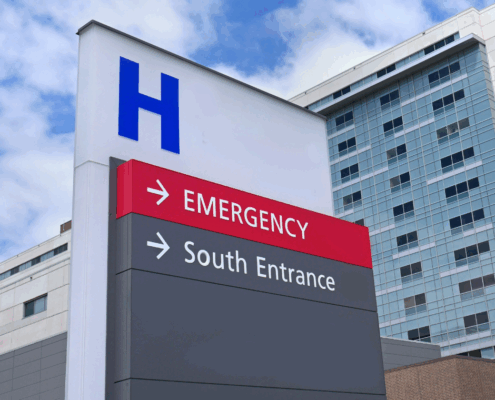
In healthcare settings, a fire emergency threatens more than property. It endangers individuals who may be unable to self-evacuate. Facilities like hospitals and nursing homes require fire safety systems that provide early detection, explicit notification, and dependable suppression.
We design, install, inspect, repair, and monitor systems built to support essential healthcare operations, such as:
- Pharmacies and labs.
- Patient rooms and care wings.
- Imaging and diagnostic areas.
- Operating rooms and surgical suites.
- Long-term care and assisted living facilities.
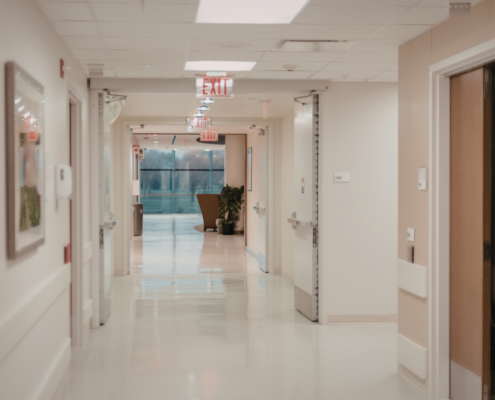
At National Fire & Safety, we provide annual inspections, repairs and maintenance, and rapid response times. Our team ensures every system supports safe egress, continuous operation of essential equipment, and compliance with the latest healthcare fire protection codes.
Hospital-Grade Fire Alarm and Notification Systems
Reliable early-warning detection is critical in healthcare environments. National Fire & Safety offers comprehensive fire alarm solutions for hospitals and medical campuses, including system design, installation, programming, and ongoing inspections.
Your fire alarm system plays a central role in:
- Alerting staff to initiate emergency procedures.
- Meeting National Fire Protection Association (NFPA), Centers for Medicare & Medicaid Services (CMS), and Joint Commission requirements.
- Supporting orderly evacuation or defend-in-place protocols.
- Integrating with access control, elevators, and emergency power systems.
Whether you need a new fire alarm system for hospitals or require ongoing maintenance for your existing infrastructure, we deliver compliant solutions tailored to your facility’s needs.
Healthcare Fire Sprinkler and Suppression Systems
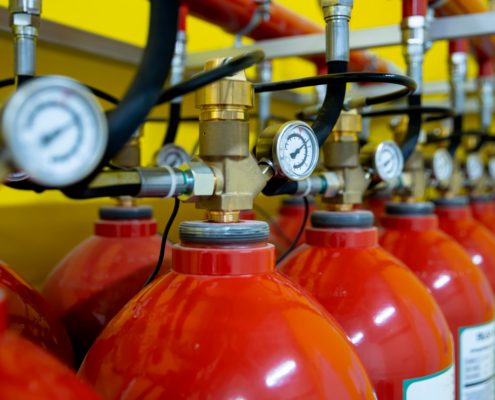
Hospitals, clinics, and nursing homes depend on suppression systems to help control a fire. We provide comprehensive solutions for healthcare fire sprinkler systems, including wet, dry, pre-action, and specialized configurations tailored to sensitive environments.
Our services include:
- Repairs, testing, and emergency response.
- System design for new construction and retrofit.
- Annual and semiannual inspections required for accreditation.
- Installations that support medical equipment layouts and building constraints.
Whether you need a hospital sprinkler system upgrade or full-facility replacement, our team delivers high-quality craftsmanship backed by unwavering vigilance.
Life Safety Compliance for Healthcare Facilities
Healthcare fire protection is tightly regulated, and National Fire & Safety helps your facility remain ready for every audit, inspection, and accreditation cycle.
We assist with:
- Documentation management.
- NFPA 99 and NFPA 101 requirements.
- 24/7 monitoring for continuous oversight.
- Deficiency correction and system upgrades.
- CMS and Joint Commission fire safety compliance.
Why Healthcare Facilities Trust National Fire & Safety
Healthcare environments operate under precise standards, and so do we. Facilities managers and safety leaders rely on us because we provide:
- Rapid emergency response.
- Over 70 years of industry expertise.
- Tailored solutions for complex patient-care environments.
- Clear communication and compliance-focused documentation.
- A single trusted partner for alarms, sprinklers, inspections, repairs, and monitoring.
Request a Consultation
At National Fire & Safety, we help you limit liability, reduce risk, and maintain confidence in your fire and life safety systems. Protect your patients, staff, and facility with a fire protection partner you can count on. Request your free quote to get started.




Building a Fire-Safe Campus Culture: Strategies for Students, Faculty, and Staff
Higher Education[5 min read]
Fire safety is not only about systems, alarms, and inspections. While these are essential, the most resilient campuses are those where safety is a shared value embraced by students, faculty, and staff alike. A campus culture that prioritizes fire safety ensures that procedures are understood, hazards are reported promptly, and everyone actively participates in maintaining a secure environment.
Engaging the Campus Community
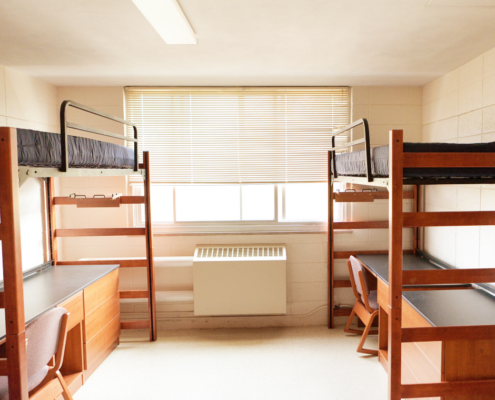
Building a culture of fire safety starts with engagement and education. For students, this begins during orientation, where they are introduced to essential fire safety practices, evacuation routes, and emergency contacts. Faculty and staff receive tailored training that addresses the unique risks in classrooms, offices, laboratories, and residence halls. Visual reminders, digital campaigns, and educational workshops reinforce these principles throughout the semester, making fire safety a visible and constant priority.
Engagement also means creating opportunities for practical application. For example, student leaders and resident advisors can host small workshops in dorms, demonstrating proper use of fire extinguishers and safe appliance operation. Faculty might run tabletop exercises simulating classroom or lab emergencies. These activities help the campus community see fire safety not as an abstract requirement but as a tangible, shared responsibility.
Practicing Response Through Drills
Realistic drills are essential for reinforcing knowledge and building confidence. Imagine an evacuation during peak campus activity where one exit is blocked. Students and staff must identify alternate routes quickly, follow emergency instructions, and remain calm under pressure. Debriefings after each drill allow administrators to highlight successes, address challenges, and refine procedures. These exercises not only prepare participants for emergencies but also demonstrate the value of coordinated response and shared responsibility.
Drills should reflect a variety of scenarios, including fires in labs, kitchens, and high-occupancy classrooms, as well as potential complications like equipment malfunctions or environmental hazards. The goal is to make response instinctive, reduce confusion, and build trust in the campus safety system.
Daily Practices That Reinforce Safety
While drills and training are important, daily practices are equally critical. Students and staff play a vital role by maintaining safe habits. This includes properly using appliances, keeping hallways and exits clear, storing flammable materials safely, and reporting potential hazards immediately. Faculty and staff can reinforce these practices by modeling safe behavior in classrooms, offices, and laboratories. When safe practices become routine, the campus environment becomes inherently safer.
Recognizing Participation and Encouraging Accountability
A positive safety culture thrives on recognition and encouragement. Campuses can highlight individuals who demonstrate proactive safety behaviors, such as a resident advisor who educates peers or a faculty member who enforces laboratory safety standards. Sharing success stories of hazard prevention and safe responses during drills reinforces the message that fire safety is a shared responsibility. Incentives and acknowledgments encourage others to actively engage and take ownership of safety, creating a community where fire awareness is not optional but valued.
Conclusion
A strong campus fire safety culture is built on engagement, education, daily practices, and recognition. When students, faculty, and staff participate actively, fire safety becomes a shared commitment rather than a set of rules. A campus that values fire safety fosters an environment where hazards are minimized, responses are confident, and everyone feels empowered to contribute to a safer community. By integrating these principles, colleges and universities create resilient campuses prepared to protect both people and property.
Contact National Fire & Safety to develop programs that foster a culture of fire safety and ensure your campus community is prepared and engaged.
Fire Safety Preparedness for Facilities During Wildfires and Summer Storms
Winter Preparedness[5 min read]
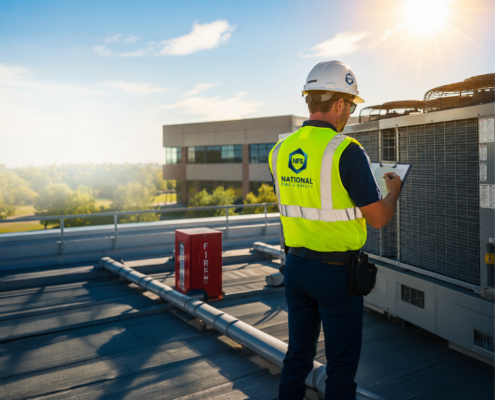
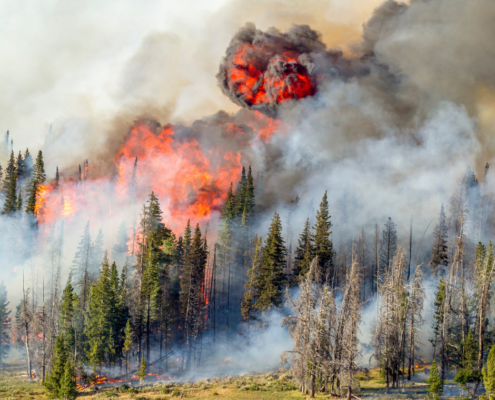
Natural disasters like wildfires and severe summer storms pose real threats to facilities. While these events are beyond our control, facility managers can take proactive steps to protect buildings, equipment, and occupants. National Fire & Safety helps facilities stay always on watch, ensuring fire safety systems and staff readiness are never compromised.
Assess Fire Risks in Your Facility
The first step in protecting a facility is understanding its unique fire risks. Wildfires, electrical failures, and storm-related hazards can quickly escalate into emergencies. Facility managers should identify high-risk areas such as storage rooms, utility closets, electrical panels, and areas near landscaping that could fuel fires.
National Fire & Safety can perform comprehensive fire risk assessments to pinpoint vulnerabilities. These evaluations consider building design, occupancy type, and local environmental risks. By understanding your facility’s fire exposure, you can prioritize mitigation efforts and ensure your safety sstaystems are effective.
Maintain and Upgrade Fire Protection Systems
Properly functioning fire alarms, sprinklers, and suppression systems are essential, particularly when natural disasters increase the risk of fire. Regular inspection and maintenance of sprinkler systems, smoke alarms, and fire extinguishers help ensure they operate effectively when needed. In sensitive areas such as data centers or hospitals, clean agent or inert gas suppression systems can protect critical equipment without causing damage.
Routine inspections ensure these systems operate correctly, even during power outages or storm conditions. Facility managers who rely on NFS can be confident that their systems remain always on watch.
Develop an Emergency Response Plan
A well-structured emergency response plan is essential. National Fire & Safety helps facilities create plans tailored to their specific needs. Hospitals, for example, require detailed patient transport procedures, while airports must prioritize passenger safety and operational continuity. Facilities receive guidance on evacuation routes, assembly points, communication protocols, and staff responsibilities. Regular drills and scenario-based training help staff understand their roles and respond quickly during emergencies. Having a plan in place reduces confusion, minimizes damage, and keeps everyone safe.
Train Staff and Occupants
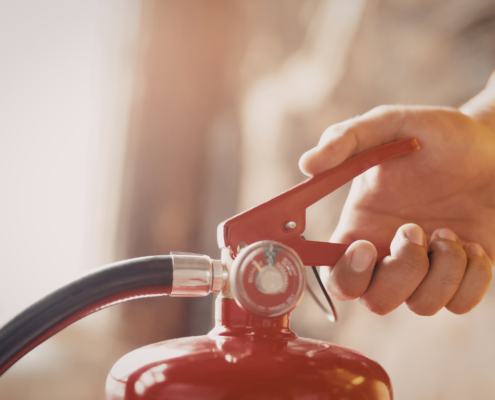
Staff knowledge is just as important as the equipment itself. Providing regular training for employees and occupants ensures they understand how to activate fire alarms and suppression systems, use fire extinguishers effectively, and evacuate safely during emergencies. Consistent training builds confidence and preparedness, helping reduce the risk of injury or property loss when a disaster occurs.
Monitor and Stay Ready
Beyond inspections and training, facilities benefit from ongoing monitoring and expert guidance to identify potential fire hazards caused by environmental changes. Staying up to date with local and NFPA regulations and implementing recommended system upgrades or improvements as risks evolve helps maintain readiness. Maintaining vigilance ensures that your facility is prepared for wildfires, storms, or other emergencies.
Stay Informed
Facility managers should continuously monitor local conditions and industry updates to stay ahead of potential hazards. Subscribing to real-time alerts from the National Weather Service, local emergency management agencies, and wildfire watch systems ensures you receive timely warnings about storms or fire risks in your area. Staying current with NFPA codes and regulations helps maintain compliance and improve overall fire safety.
National Fire & Safety provides ongoing guidance on changes to safety standards, helping facilities adapt their emergency plans and systems accordingly. Regularly reviewing reports, attending webinars, and participating in regional preparedness forums can also keep your team knowledgeable and ready.
Understanding risk also involves monitoring real-time alerts. Tools like National Weather Service notifications, wildfire watch systems, and regional emergency alerts allow facility managers to act quickly. Being proactive ensures facilities are always on watch and ready for potential disasters.
https://des.az.gov/
https://dhsem.colorado.gov/emergency-management-office
https://www.tdem.texas.gov/
https://dem.utah.gov/
Protecting your facility from fire risks during natural disasters starts with expert guidance. Contact National Fire & Safety to schedule a fire risk assessment, system inspection, or staff training session. Safeguard your employees, occupants, and property, and ensure your facility stays always on watch.
Campus Fire Safety Compliance: Inspections, Roles, and Best Practices
Higher Education[6 min read]
Ensuring fire safety on a college or university campus requires more than equipment and policies. Compliance with fire codes, regulations, and internal protocols forms the backbone of a safe campus. When responsibilities are clearly defined, inspections are thorough, and best practices are followed, campuses reduce risk and protect students, faculty, staff, and property. Even small oversights can lead to significant hazards if roles are unclear or procedures are inconsistent.
Why Compliance Matters
Compliance is not simply about avoiding fines or passing inspections. It is a proactive strategy to protect the entire campus community. A compliant campus ensures that fire safety equipment is operational, emergency procedures are up to date, and everyone knows how to respond in an emergency. Without clear compliance measures, confusion can arise during drills or real incidents, potentially putting lives at risk. A structured approach to inspections and accountability reduces uncertainty, builds confidence, and promotes a culture of safety.
Defining Clear Roles
Effective fire safety depends on assigning clear responsibilities across departments. Facility managers oversee inspections, coordinate audits, and maintain accurate records of safety systems. Campus safety officers regularly check buildings, monitor alarm systems, and ensure day-to-day operations align with fire safety protocols. Residence life staff and student leaders act as liaisons, helping residents understand emergency procedures and guiding them during drills. Faculty and department heads reinforce safety expectations in classrooms and offices. In specialized spaces such as laboratories, IT and lab managers ensure that chemical storage and equipment follow strict safety guidelines.
Clear assignment of responsibilities means everyone knows what they are accountable for. During a drill or real event, this coordination allows for faster responses, minimizes confusion, and ensures the campus operates efficiently. For example, if a lab alarm triggers, the assigned safety officer can assess the situation, while the lab manager ensures chemicals are secured and evacuation routes remain accessible.
Inspections and Maintenance
Regular inspections are critical to compliance. Fire alarms, smoke detectors, sprinklers, and extinguishers must be tested on a consistent schedule. Buildings should be checked for blocked exits, obstructed hallways, and potential fire hazards. Documenting inspections not only meets regulatory requirements but also provides a history of preventative measures. This information can highlight recurring issues, such as malfunctioning alarms or outdated equipment, allowing administrators to take corrective action before an emergency occurs.Regular inspections also ensure alignment with local AHJ and fire marshal requirements.
Implementing Best Practices
Best practices go beyond inspections. Regular training sessions for staff, faculty, and student leaders ensure everyone knows their role and the procedures to follow. Simulated drills, including realistic scenarios such as a fire during a crowded event or an obstruction in a key exit, help participants practice critical decision-making skills. Policies should be reviewed and updated annually to reflect changes in campus layouts, occupancy, and regulatory standards. Ongoing communication and feedback loops ensure that safety remains an active and evolving priority.
Creating a Culture of Accountability
Compliance works best when it becomes part of the daily campus culture. Students should feel empowered to report potential hazards, and staff should be encouraged to participate actively in training and drills. Recognizing individuals who demonstrate commitment to safety can further reinforce these behaviors. For instance, highlighting a resident advisor who proactively educates students about fire safety policies or a department head who ensures lab equipment is checked regularly encourages others to adopt the same level of diligence. When leadership visibly supports these efforts, accountability becomes embedded across campus operations.
Conclusion
Fire safety compliance is more than a series of checklists; it is a framework for accountability, preparedness, and risk reduction. By clearly defining roles, conducting thorough inspections, and implementing best practices, campuses protect the people who live, learn, and work within them. A culture that embraces compliance ensures that fire safety is a shared responsibility, and emergencies are managed with confidence and precision.
Contact National Fire & Safety to streamline your campus compliance program and ensure your fire safety systems and procedures meet all standards.