Hidden Fire Risks in Manufacturing Facilities: 5 Areas to Evaluate
Manufacturing facilities bring together complex equipment and processes, often under demanding production schedules. The materials and conditions involved can create fire risks that are not always obvious.
Some hazards are easy to recognize. Others develop gradually through daily operations or only become dangerous under certain conditions. Understanding where those risks may be present helps safety leaders make better decisions about prevention and determine whether the facility’s detection and suppression systems still provide the right protection.
A strong fire protection strategy starts with understanding what is happening inside the facility today, not only the conditions that existed when the systems were designed or installed.
The National Fire Protection Association (NFPA) provides standards and guidance for industrial fire safety. These standards provide an important foundation, but applying them starts with understanding the conditions inside the individual facility.
Here are five areas worth reviewing.
1. Materials and Production Processes
Many manufacturing environments work with materials that require careful management.
Dust, powders, fibers, plastics, packaging materials, chemicals, and other combustible materials can create additional fire protection considerations depending on how they are processed, handled, and stored.
One challenge with combustible materials is that risks are not always obvious.
Certain materials may appear harmless during normal operations, but under specific conditions, they can contribute to a fire event. Combustible dust is one example of a hazard that requires special attention. When fine particles become suspended in the air under the right conditions, they can create the potential for rapid combustion.
Facilities that process materials such as wood, food products, plastics, metals, or chemicals should understand how these hazards apply to their specific environment.
When reviewing machinery, ask:
- Is any equipment running hotter than expected?
- Are there signs of wear or recurring mechanical problems?
- Is combustible material collecting around the equipment?
- Has new or relocated machinery affected sprinkler coverage?
- Can employees still easily reach fire protection equipment?
- Is preventive maintenance being completed on schedule?
Routine maintenance can help identify problems with the equipment itself. A broader review should also consider whether the equipment has changed the conditions in the surrounding space.
2. Machinery and Heat-Producing Equipment
Manufacturing depends on equipment.
Production machinery, automated systems, and industrial equipment allow facilities to operate efficiently and maintain productivity. However, these systems can also introduce additional fire considerations.
Heat-producing equipment, moving components, electrical systems, and mechanical processes can create conditions that require ongoing attention.
When reviewing machinery, ask:
- Is any equipment running hotter than expected?
- Are there signs of wear or recurring mechanical problems?
- Is combustible material collecting around the equipment?
- Has new or relocated machinery affected sprinkler coverage?
- Can employees still easily reach fire protection equipment?
- Is preventive maintenance being completed on schedule?
Routine maintenance can help identify problems with the equipment itself. A broader review should also consider whether the equipment has changed the conditions in the surrounding space.
3. Electrical Systems and Equipment
Electrical systems are critical components of modern manufacturing.
Facilities rely on electrical equipment to operate production lines, automation systems, machinery, and essential processes. However, electrical issues can become a contributing factor in facility fires when systems are not properly maintained or when problems go unnoticed.
Areas that may warrant attention include:
- Damaged components
- Overloaded systems
- Improper maintenance
- Equipment failures
- Heat generated by electrical connections
- Changes in electrical demand following facility or production upgrades
- Blocked or inaccessible electrical rooms and panels
Electrical systems should be inspected and maintained by qualified personnel. Fire protection systems should also receive their required inspections, testing, and maintenance so they remain prepared to respond if an emergency occurs.
4. Storage Arrangements and Sprinkler Protection
Storage areas are an important consideration in manufacturing fire safety. Facilities often manage a wide variety of raw materials, finished products, packaging materials, and supplies. How those materials are stored can influence the overall fire protection needs of the environment.
Storage changes can affect both the severity of a potential fire and the ability of a sprinkler system to control it. Safety leaders should review:
- The types and quantities of materials being stored
- Storage heights and arrangements
- Clearance below sprinkler heads
- Accessibility of aisles, exits, panels, valves, and fire protection equipment
- Whether storage has expanded into areas not originally intended for it
- Whether the sprinkler system remains appropriate for the materials and storage configuration
Even routine operational changes can gradually create storage conditions that differ from those the fire protection system was originally designed to protect.
Hot Work Requires Proper Planning and Controls
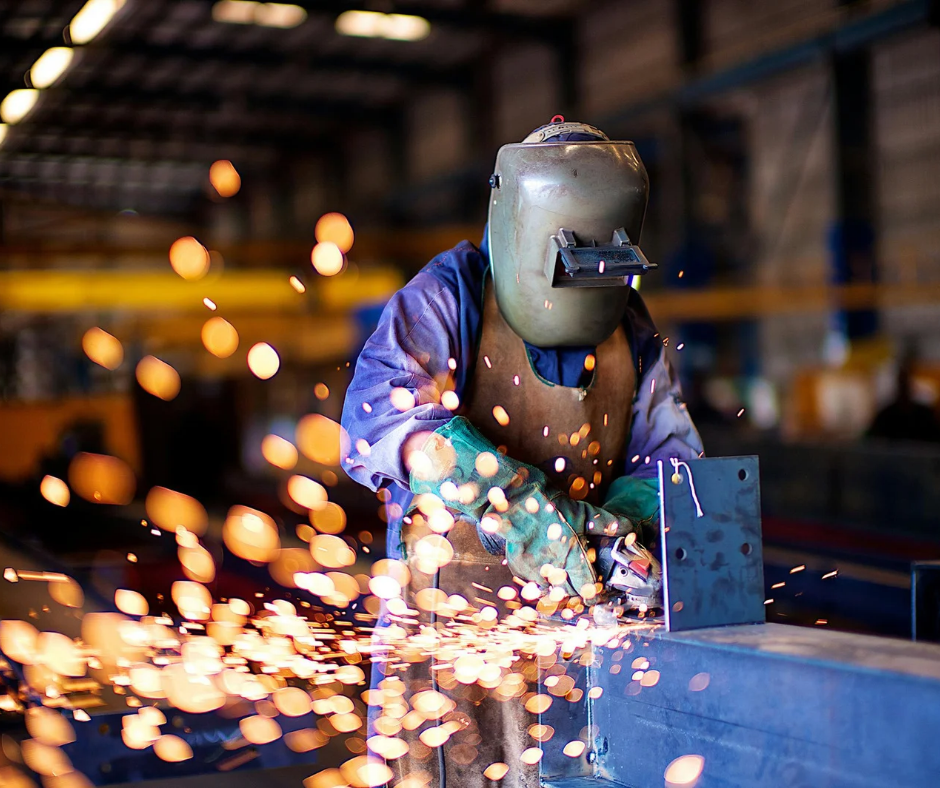
Many manufacturing facilities perform activities that involve heat, sparks, or open flames, including welding, cutting, grinding, and certain maintenance procedures. While these activities are often necessary for daily operations, they require careful planning and appropriate controls to help reduce the potential for fire-related incidents.
The surrounding environment plays an important role in managing hot work safely. Activities performed near combustible materials, production areas, equipment, or other potential fuel sources should be evaluated before work begins to ensure proper precautions are in place. A strong safety culture includes establishing clear procedures and ensuring employees and contractors understand the requirements for safely completing hot work activities.
A hot work review should consider:
- Whether the facility has a formal permit process
- How the work area is evaluated before work begins
- Whether combustible materials are removed or appropriately protected
- Whether fire watches are assigned when required
- How employees and contractors are trained on facility procedures
- How the area is monitored after the work is completed
Clear procedures help ensure everyone involved understands what must happen before, during, and after hot work.
Do Your Fire Protection Systems Still Match Your Facility’s Risks?
Identifying potential hazards is only one part of a comprehensive fire protection strategy. Safety leaders must also consider whether the systems protecting the facility remain appropriate for its current materials, equipment, processes, and storage arrangements.
Fire alarm systems play a critical role in detecting emergencies and notifying occupants. Routine inspection and maintenance, including understanding how often fire alarms should be tested, helps support system reliability.
Sprinkler and specialized suppression systems must also be appropriate for the hazards they protect. Changes to equipment, production processes, materials, or storage may affect the type or level of protection a facility needs.
A fire protection professional can help evaluate whether existing systems continue to support the facility’s current operations and identify areas that may require further review.
Why Understanding Manufacturing Fire Hazards Matters
Manufacturing fire hazards are not always easy to identify. While some risks are immediately visible, others develop over time as materials, equipment, storage, and daily processes change.
Taking time to evaluate these areas helps safety leaders identify conditions that may require attention and determine whether their current fire protection strategy still supports their employees, operations, and business goals.
For manufacturers looking for ongoing support across inspections, service, and other fire protection needs, the National Fire & Safety Manufacturing Preferred Partner Program offers priority scheduling, preferred pricing, and other program benefits.
Take a Closer Look at Your Manufacturing Facility
Manufacturing fire risks can develop gradually through everyday operational changes. A new material, aging machine, expanded storage area, or routine maintenance activity may not seem significant on its own, but each can affect the facility’s overall risk.
Periodic evaluations give safety leaders an opportunity to identify changing conditions and determine whether current prevention practices and fire protection systems still meet the facility’s needs.
National Fire & Safety has more than seven decades of experience helping manufacturing organizations protect employees, facilities, equipment, and operations. Our team provides comprehensive fire and life safety solutions, including design, installation, inspection, repair, and monitoring for complex manufacturing environments.
If your facility has changed or you are unsure whether your current systems still match your operations, contact National Fire & Safety to start a conversation.